
How to Buy a Fixer-Upper Without Breaking the Bank
- Jeana Beech
- Sep 29, 2025
- 2 min read

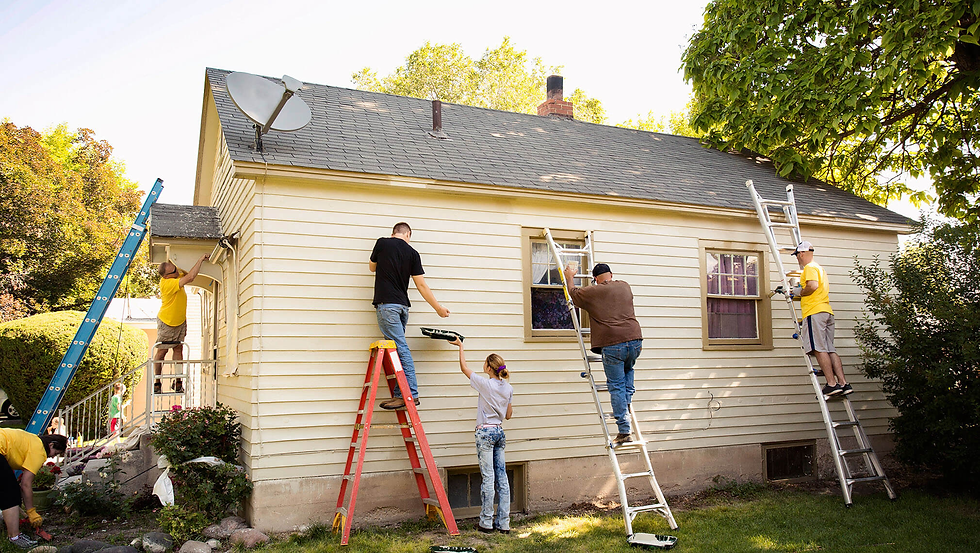
Buying a fixer-upper can be a smart way to enter the housing market, build equity, and create a home that truly fits your style. But without the right plan, the costs of repairs and renovations can spiral out of control. Here’s how to buy a fixer-upper without breaking the bank.
1. Start With the Right Property
Not all fixer-uppers are created equal. Cosmetic updates (like paint, flooring, or cabinets) are affordable compared to major structural repairs. Look for homes that need TLC, not a complete rebuild. A solid foundation, roof, and plumbing system can save you thousands down the line.
2. Get a Thorough Inspection
A professional inspection is essential. It will reveal hidden issues — such as electrical problems, mold, or foundation cracks — that can drastically change your budget. Use the inspection report to negotiate with the seller or to decide if the property is worth the investment.
3. Set a Realistic Renovation Budget
Budget not only for visible fixes but also for unexpected surprises. A good rule of thumb: add at least 10–15% to your estimated renovation costs as a cushion. Prioritize updates that increase resale value, like kitchens, bathrooms, and curb appeal.
4. Explore Renovation Loan Options
Financing a fixer-upper doesn’t always mean draining your savings. Loan programs like the FHA 203(k) or Fannie Mae’s HomeStyle loan allow you to bundle renovation costs into your mortgage. This can give you more buying power and spread expenses over time.
5. DIY Strategically
Sweat equity can save thousands, but know your limits. Simple projects like painting, landscaping, or refinishing floors are great DIY options. Leave complex tasks like plumbing, roofing, and electrical work to licensed professionals to avoid costly mistakes.
6. Think Long-Term Value
Focus on improvements that boost the home’s value and appeal to future buyers. Energy-efficient upgrades, open floor plans, and modern finishes often bring the highest returns when it’s time to sell.
Final Takeaway
A fixer-upper can be a rewarding path to homeownership, but success depends on careful planning, realistic budgeting, and knowing when to call in the pros. With the right strategy, you can transform a diamond in the rough into your dream home — without draining your wallet.


Comments